
Botox and fillers
Botox and Filler Consultation in Alpharetta: Let’s Talk
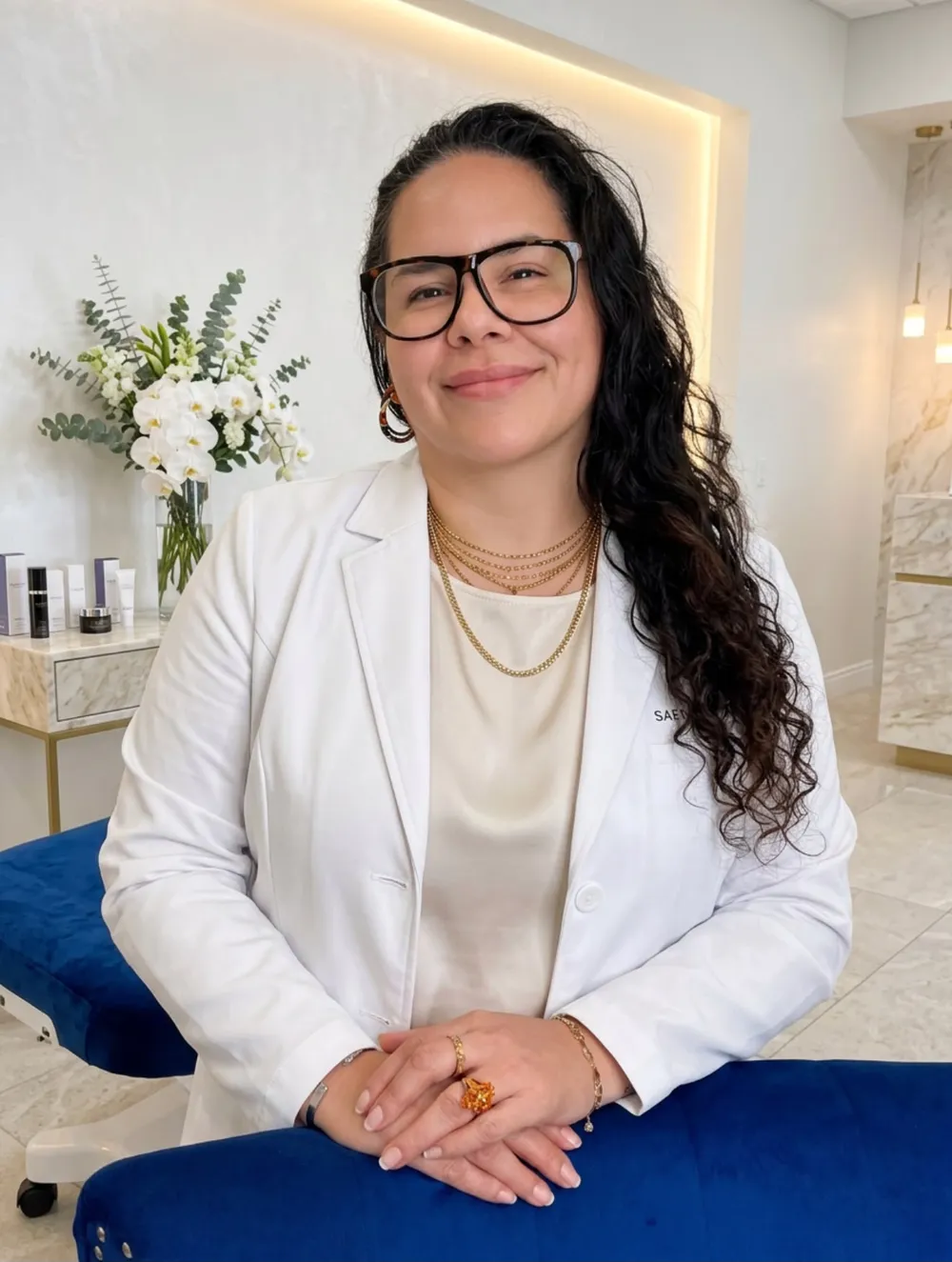
You’ve noticed a feature you’d like to discuss, but you’re still deciding what kind of change would feel right. A Botox and filler consultation in Alpharetta gives you time to put that preference into words. We’ll look at the area with you and explain the options before a procedure becomes the next step.
A small concern can bring several questions
You may want a line softened, a lip border more defined or a contour that feels better balanced. You may also worry about losing an expression you like. Those preferences can all be part of one thoughtful conversation.
The names Botox and filler describe different kinds of treatment. Understanding that difference helps you follow the recommendation, but your first job is simply to show the concern. The provider can connect it with the relevant anatomy.
It is useful to arrive knowing what you want to ask, even if you have yet to choose an approach. A consultation should make the decision clearer. You can explore the options at a pace that feels comfortable.
The recommendation begins with what you want changed
Botox is used to temporarily reduce activity in selected muscles, which can soften certain expression-related lines. A filler procedure places material in a suitable tissue area to add fullness or shape. The right discussion depends on the feature and the intended change.
Your provider assesses the face at rest and during expression. That helps distinguish movement-related concerns from questions about tissue support or shape. You can ask for the reasoning behind the proposed approach in everyday language.
Our explanation of Botox versus fillers in Alpharetta introduces the main differences. At the visit, the comparison becomes personal to your face and the preference you have described.
We’ll make the assessment a shared conversation
At NewYouMD & Aesthetics, you can sit with a provider and point out the feature that prompted your interest. Our injectables approach is physician-led and considers anatomy, movement and balance. We listen to the changes you want and the features you would like to keep.
Our dermal filler service includes area-specific planning for lips, cheeks and other selected contours. We can discuss how that differs from a neuromodulator approach when movement is the main concern. Each recommendation should have a clear role in the plan.
The procedure includes the supplies required for treatment and a clear protocol for caring for the area afterward. We explain the instructions before you leave so practical questions can be addressed. These are in-office procedures, with aftercare guidance for home.
Your follow-up is arranged through the same clinic that planned the treatment. We can review the response alongside the original assessment and preferences. That gives later decisions a clear starting point.
The feature beside your concern may matter too
If you point to a forehead line, the provider may also look at brow position. If you want to discuss lip fullness, they may consider the surrounding proportions and the way you smile. These observations help explain how the area fits into a moving face.
Ask why a nearby feature is being assessed. The explanation should connect it with your main concern. That keeps the conversation focused while allowing the provider to consider the anatomy needed for planning.
You can also describe differences you have noticed between the two sides. Faces have natural asymmetries, and movement can make them more apparent. An in-person assessment helps the provider understand those details rather than relying on one still image.
The goal is a recommendation that makes sense for your face as a whole. You can still choose one priority for the first step. A broader assessment helps inform that focused decision.
How the first visit moves from questions to a plan
Begin with the change you are considering. Show the area in a mirror and describe when it catches your attention. You can explain whether your preference is a small adjustment or a broader discussion of several features.
Share previous treatment history, including products, areas and dates when known. Tell the provider what you liked and what you would have preferred differently. If you had an unexpected reaction, describe it and bring records when available.
The health review includes medicines, supplements, allergies and relevant conditions. Mention pregnancy or breastfeeding, as well as any earlier difficulty with injections or numbing medicines. Those details help the provider assess suitability and preparation.
The American Society of Plastic Surgeons describes the botulinum toxin consultation as a discussion of goals, health, medicines and treatment considerations. Bringing that information helps make the appointment more specific to you.
The provider examines the relevant areas at rest and during movement. For a neuromodulator, selected muscle activity is central to planning. For filler, tissue characteristics and proportions help guide the approach. You can ask the provider to explain the observations that matter most.
Next, discuss the proposed product and areas. The recommendation should identify the purpose of each step and how it relates to your goal. If more than one area is considered, ask whether a staged approach would help you review the response before deciding on another treatment.
Before consenting, understand the procedure itself. Your provider can explain preparation, comfort measures and the injection process. Share concerns about needles or discomfort early so there is time to discuss them calmly.
Risks include bruising, swelling and tenderness after injections. Neuromodulators can also cause headache, uneven movement or drooping of a nearby brow or eyelid; rarely, effects can involve breathing or swallowing. Fillers can cause lumps, infection or inflammatory reactions, and a rare blood-vessel blockage can injure skin or vision. Sudden visual changes, severe or worsening pain, pale or dusky skin, or breathing or swallowing difficulty require urgent medical care. The provider should explain the contact plan and risks specific to your procedure before treatment.
Aftercare is reviewed for the selected treatment. Ask about makeup, cleansing, exercise and pressure on the area. Tell the provider about planned dental work or other procedures so timing can be considered. Follow the instructions for your own appointment rather than an old routine.
Before leaving, clarify when the area should be reviewed. Muscle-relaxing effects develop over time, while early swelling can affect the appearance after filler. Your provider can explain the appropriate point for assessing the response and discussing any later decision.
A review visit is a chance to assess before adding more
It is understandable to examine a treated feature closely after the appointment. Early changes can make it difficult to judge the final response on your own. The planned review gives the provider a chance to assess the area in context.
Bring back the preference you described before treatment. Explain what you like and what still feels unclear. That helps the discussion stay connected to the original goal rather than moving immediately to another procedure.
If an additional step is considered, ask what it would contribute and why the timing is appropriate. A clear explanation helps you decide whether it fits your priorities. The assessment should guide the next choice.
This is one reason continuity with the same clinic matters. The provider can review the original observations, the treatment performed and your experience together. Future planning can build on that shared information.
Aim for a change that fits your own preferences
You may hope for a softer line, more defined shape or a contour that feels more balanced. Explain the aim in terms that matter to you. The provider can discuss what treatment is intended to influence and how your anatomy shapes the possibilities.
A useful consultation also leaves you knowing how the response will be reviewed. You understand the procedure, the aftercare and the contact route for a question. Those practical details help the decision feel more manageable.
Feeling understood means your preferences remain central to the plan. You have space to ask for clarification and decide which concern you want to address first. The next step can be thoughtful and specific.
Have the conversation here in Alpharetta
Residents of Glen Abbey, Windward and ParkBrooke can visit our clinic at 3235 North Point Pkwy, Suite 104, for an injectables assessment. If you are coming from near Rock Mill Park on Kimball Bridge Road, your review takes place at this same office.
From Alpharetta City Hall, reaching the clinic along Academy Street and Webb Bridge Road takes about eight minutes, depending on traffic. Bring any treatment records or questions that will help you explain the feature you want to discuss.
We also welcome people from nearby North Point and Downtown Alpharetta for ongoing aesthetic care. Our Botox and filler care in Alpharetta offers a place to connect your preferences with an in-person assessment.
Frequently asked questions
Can I start with a concern rather than a product choice?
Show the provider the feature you want to discuss and explain the change you have in mind. The examination can help connect that concern with the relevant treatment options. You can learn the differences before deciding which approach to consider.
Why might the provider look beyond the exact area I point to?
Nearby features and facial movement can influence planning. Ask how the observations relate to your main concern. A clear explanation helps you understand the role of the broader assessment while keeping your priority in view.
What is useful to share about an earlier injectable treatment?
Describe the product if known, the areas treated, timing and your response. Include what you liked and any concern that followed. Records can help the provider understand the current starting point.
How can I explain what a subtle result means to me?
Describe the feature you want softened or defined and the expression you would like to preserve. You can use a photograph to illustrate a preference while discussing your own anatomy. Specific examples help make the goal clearer.
When should I discuss another procedure I have planned?
Mention it during the consultation, before choosing treatment timing. The provider can consider how appointments and aftercare fit together. That includes dental work, facial treatments and other medical procedures relevant to the area.
What should I talk about at the review appointment?
Return to the goal you described before treatment and explain what you notice now. Discuss appearance, comfort and any remaining questions. The provider can assess the response and explain whether a later step makes sense.