
Botox and fillers
Your Botox and Filler Consultation Near Dunwoody, Explained
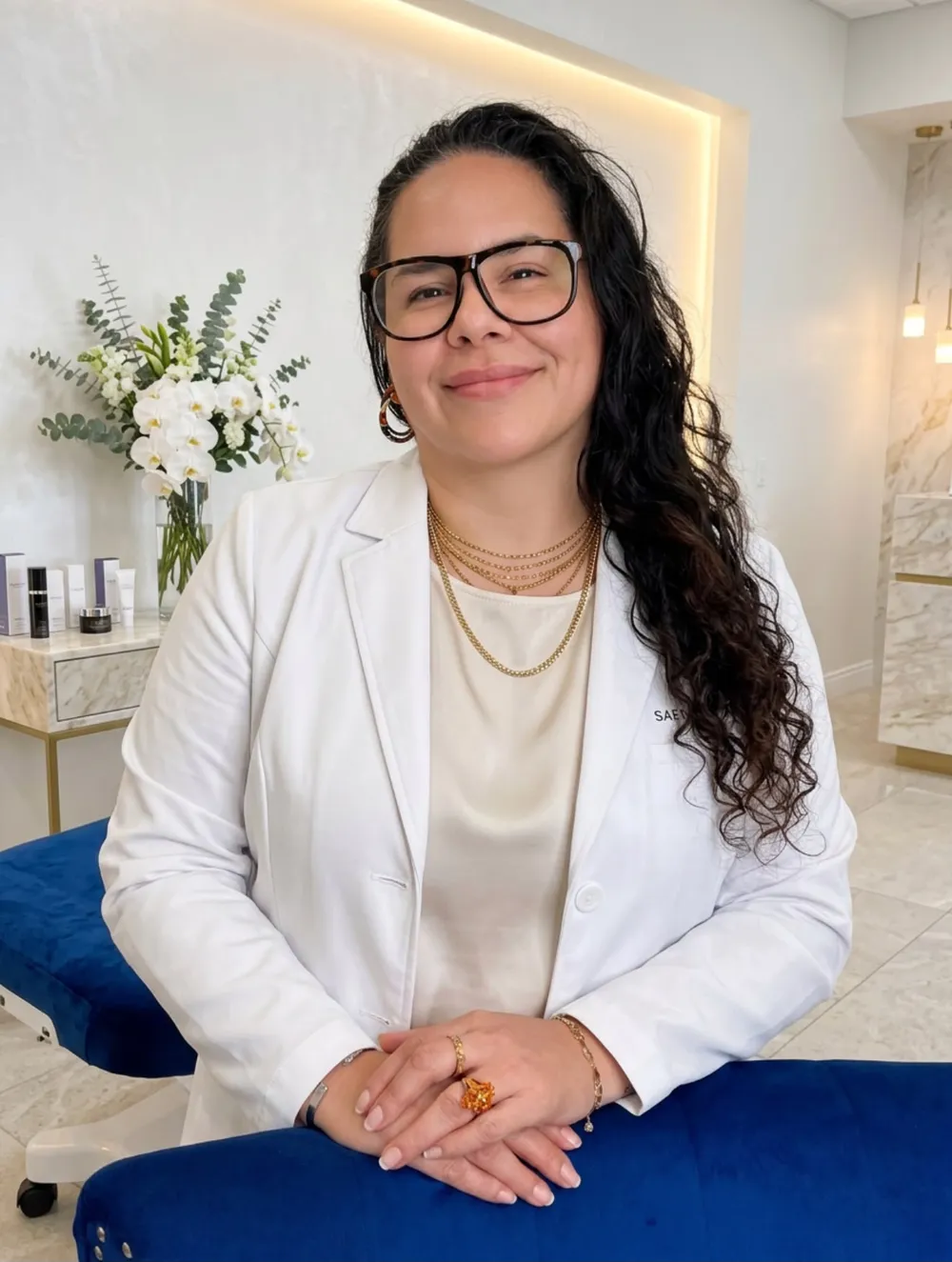
You start typing an appointment request, then pause at the box asking which treatment you want. A Botox and filler consultation near Dunwoody can begin with the change you are considering, even while you are still learning which option belongs with it.
Choosing a treatment name can feel like making the decision too soon
You may know that a line, a change in shape or a loss of fullness has caught your attention. Turning that observation into a procedure request can feel harder than describing the concern itself.
Bring the description to the visit. You can point to the area, explain when you notice it and tell the provider how much change would feel comfortable.
The consultation helps connect your goal with the anatomy. That gives the recommendation a reason you can understand and leaves room to discuss alternatives, timing and whether treatment fits your preferences at all. Your questions are part of that process from the beginning.
The first visit can turn the options into an understandable plan
Botox relaxes selected muscles to soften movement-related lines. Fillers address selected volume and contour concerns. Those different actions explain why the assessment begins with the feature rather than the product name.
The provider looks at your face in motion and at rest, then discusses what could suit the concern. A line created by expression asks a different question from an area where support or fullness has changed.
You can work through that distinction in ordinary language. We want you to understand what the proposed procedure is intended to do and which part of your goal it addresses before you choose how to proceed.
Meet the person who will assess and treat the area
Your NewYouMD & Aesthetics consultation is face to face, with physician-supervised care and a provider who explains the proposed treatment. The assessment includes your preferences, facial movement and the health information that affects the plan.
Our dermal filler service matches product choice to the treatment area and intended change. When a movement-related concern is part of the discussion, the provider can also explain the role of a wrinkle relaxer.
If you decide on an appropriate procedure, the provider performs it in person. You receive an aftercare plan, directions for questions or concerns and follow-up through the same clinic.
That continuity helps keep the first discussion connected with the later review. We can return to what you wanted to change, what you hoped to preserve and how the result feels to you after treatment. The goal is a plan you understand at each stage.
Tell us how you feel about the procedure itself
You may feel comfortable with the idea of a cosmetic change but uneasy about injections. Bring that into the consultation as clearly as the feature you want to discuss.
Explain whether you prefer to hear each step beforehand or have a broad outline first. If you have felt faint or had difficulty during an earlier procedure, tell the provider what happened and what helped. That history belongs in planning the visit.
Ask how you can signal that you need a pause or another explanation. Knowing how to communicate during treatment can make an unfamiliar experience easier to approach. The provider can discuss what support is appropriate for the procedure being considered.
Your comfort is part of the decision, alongside the intended cosmetic change. A consultation gives you room to understand the process and say what you need before choosing to proceed. That conversation can be useful even when the procedure itself is still a future possibility.
Walk through the consultation from assessment to aftercare
Start with the concern and your history. Explain previous cosmetic treatments, the areas involved and how the response felt. Bring treatment details when available, especially if another clinic performed earlier injections.
Review your current medicines and supplements, allergies and relevant health conditions. Tell the provider about pregnancy or breastfeeding, neuromuscular conditions, active skin problems and a history of cold sores when the mouth area is being considered. Include upcoming dental or facial procedures so timing can be discussed.
The American Academy of Dermatology recommends bringing health information and asking questions before filler treatment. The consultation is a useful place to understand the likely approach, possible complications and the care that follows.
Next, examine the concern together. The provider considers movement, tissue support and proportions. Ask which finding is guiding the recommendation so you can connect the proposed treatment with what was observed.
Discuss the plan in concrete terms. Which area is being considered, what change is intended and how will the result be reviewed? If several concerns are present, ask how they could be prioritized. A staged approach may help keep the decision focused on the change that matters most to you.
Review risks for the selected procedure. Both can cause temporary discomfort, bruising or swelling. Botox can cause headache, unwanted drooping or uneven movement, with rare swallowing, speech or breathing effects requiring urgent care. Fillers can cause lumps, infection or an uneven result; rare blood-vessel blockage can damage skin or vision. Severe pain, pale or dusky skin or a vision change after filler needs immediate medical attention.
If you choose to proceed, the provider performs the agreed procedure and explains the next steps. Ask how to care for the treated area, which activities need adjustment and how to reach the clinic with a concern. Your instructions should fit the procedure you received.
Finally, establish the review plan. Early swelling and a developing wrinkle-relaxer effect can influence what you see after treatment. Our Dunwoody Botox-versus-fillers guide explains their different actions and review considerations. Knowing what to expect makes the follow-up conversation easier to use.
Ask how you can review the plan before deciding
Sometimes you want time to think through the recommendation after hearing the options. Say so during the consultation and ask which details would be useful to take away.
A clear summary should identify the area, intended change and proposed approach. It can also help you remember the aftercare discussion and any information the provider still needs before treatment.
If a new question comes up later, bring it back to the clinic. You may want to clarify the size of the intended change or how the procedure fits an upcoming event. Understanding the answer matters more than trying to remember everything from the first conversation at once.
Your preferences can become clearer as you consider the recommendation. Tell the provider if the goal has changed before proceeding. Keeping the decision connected with your current wishes helps the treatment plan remain a shared one.
Aim for a choice that feels informed and comfortable
People often come hoping to soften a feature that keeps drawing their attention while keeping a familiar expression. The consultation can help turn that hope into a specific, proportionate goal.
The plan should explain what treatment aims to change and how the provider will assess the response. Individual outcomes vary, and the review is part of understanding how the procedure worked for you.
A useful decision leaves you able to describe both the intended change and the care afterward. If something still feels unclear, ask for another explanation before the procedure becomes the next step.
Our Dunwoody first-Botox appointment guide walks through the treatment visit. We want the experience to leave you more confident about the decision, with your questions heard and the practical details explained.
Bring your consultation questions from Dunwoody
We meet with you at 3235 North Point Pkwy, Suite 104, Alpharetta. The route from Dunwoody City Hall on Ashford Dunwoody Road is about 21 minutes via GA-400 north, depending on traffic.
People from Georgetown, Dunwoody Village and Tilly Mill come to this clinic for assessment and procedures. If you leave from near the Spruill Center for the Arts or Brook Run Park, your consultation is at that same Alpharetta address.
We also see neighbors from Perimeter Center, Williamsburg and Winters Chapel. Roberts Drive connects with the route toward GA-400 for another approach to the office.
Our Dunwoody Botox and filler service page explains the local appointment option. Bring the feature you want to discuss, any useful treatment history and the questions you would like answered before deciding.
Frequently asked questions
What should I request if I am unsure between Botox and filler?
Describe the feature and the change you are considering. The provider can assess whether movement, volume or another factor is involved. That explanation helps connect the recommendation with your concern before you choose a procedure.
Should I mention feeling nervous about injections?
Yes, explain the part that worries you and any earlier difficulty with procedures. Ask how the steps will be explained and how to request a pause. Your provider can discuss appropriate support and help you understand the experience before you decide.
What should I bring from earlier injectable treatments?
Share the product, area and date when you know them, plus how the result felt. Records can help clarify details that are difficult to remember. Tell the provider about any earlier reaction or concern before a new procedure is planned.
Is it okay to take time after hearing the recommendation?
You can explain that you want to consider the plan and clarify any remaining questions. Ask which details are useful to take away and how to follow up with the clinic. The decision should reflect your understanding and current preferences.
How do I find out what aftercare will involve?
Ask about care of the treated area, activity changes and the review plan before proceeding. The directions should match the procedure selected. Mention other appointments or events so the provider can explain how the aftercare fits with them.
What makes a follow-up discussion useful?
Return to the goal you agreed on and describe what you notice in appearance and movement. Explain what feels comfortable and what you want reviewed. The provider can assess that experience alongside the treatment details and decide whether anything needs further attention.