
Botox and fillers
Your Botox and Filler Consultation Near Johns Creek
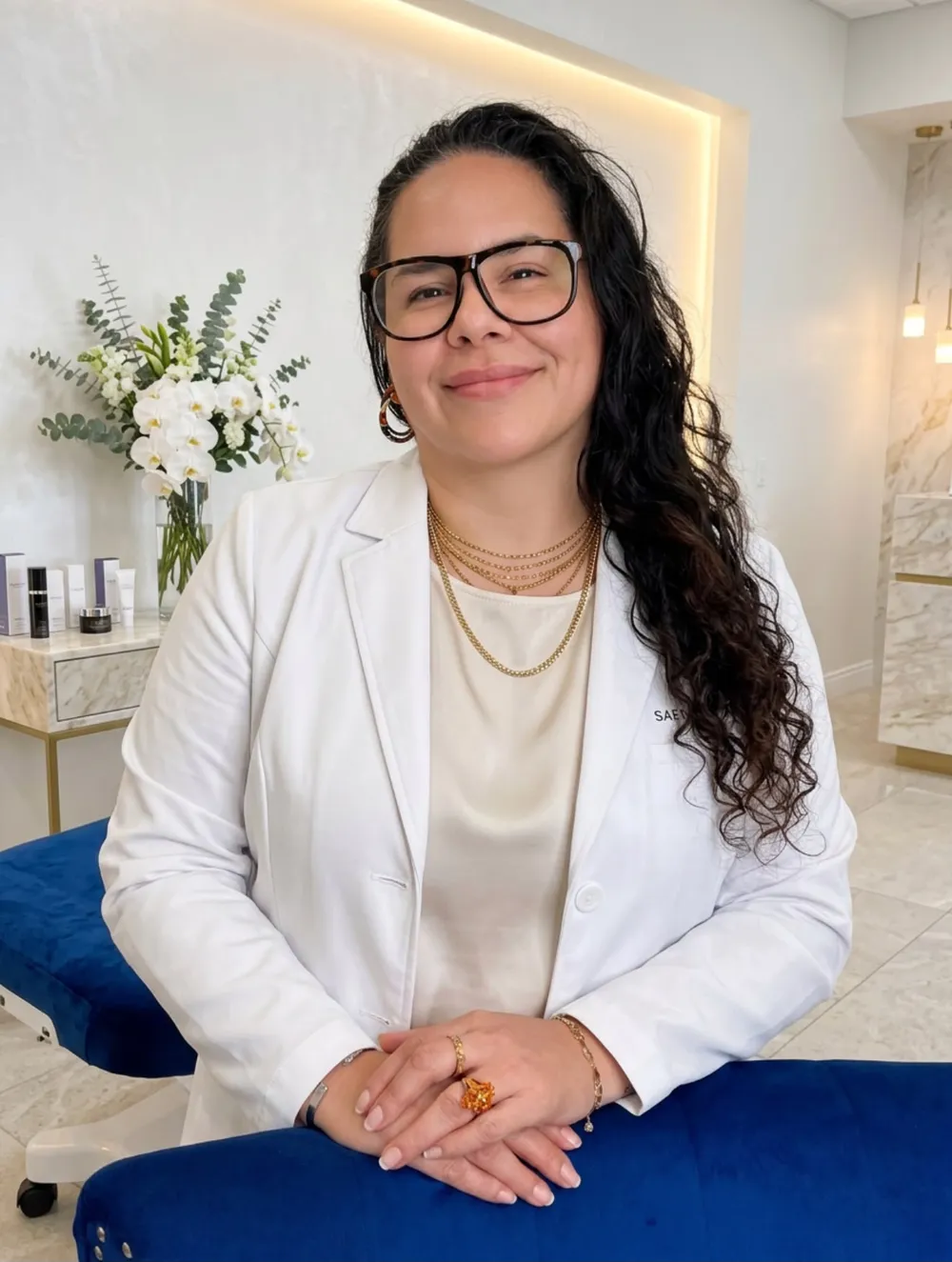
You've been thinking about a small change to your face, but the treatment names leave you with more questions than answers. A Botox and filler consultation near Johns Creek gives you time to explain what you see and hear what could suit you. We'll begin with the concern, then work through the choices together.
The first decision is what you want help changing
You may notice a line when you smile, a change in lip shape or an area that looks less supported than before. Those concerns can involve different parts of facial anatomy. Naming the feature that bothers you is more useful than arriving with a treatment already chosen.
It also helps to describe how much change feels comfortable. You might want a subtle adjustment or simply want to understand the possibilities. Tell us if there is a feature you especially like and want to preserve.
A first consultation should give those preferences room in the conversation. The assessment connects your goal with the tissues and movement involved. That is how a personal plan starts to take shape.
You can understand the options one step at a time
Botox and similar wrinkle relaxers reduce activity in selected muscles for a period of time. Dermal fillers add support or volume in selected areas. The choice depends on the concern, the anatomy and your medical suitability.
The American Society of Plastic Surgeons describes a botulinum toxin consultation as a discussion of goals, health conditions, medicines and potential outcomes and risks. Those are useful subjects to bring into the appointment, even if you are still learning which treatment fits your concern.
You can ask the provider to explain each recommendation in plain language. By the end of the discussion, you should understand what the proposed treatment aims to change and how the process would work. That makes the decision easier to consider at your own pace.
We assess, explain and perform treatment face to face
At NewYouMD & Aesthetics, your provider looks at your face in person and listens to the change you want. Our physician-led injectable care considers expression, proportions and treatment history. We explain the plan in relation to the feature you brought to us.
If you choose to proceed and treatment is appropriate, the provider performs the procedure in the clinic. You can ask about preparation, comfort and the steps involved before treatment begins. We want you to understand what is happening as well as why it has been recommended.
The visit includes an aftercare plan and instructions for contacting us with concerns. Your follow-up stays with the same clinic, where the response can be assessed against the original goal. That connection matters when you have a question after leaving the office.
Our injectable care for Johns Creek brings consultation, treatment and continuing review together. You can discuss more than one concern while deciding which one deserves attention first. A focused starting point can make the overall plan easier to understand.
Your earlier treatment belongs in the conversation
A procedure performed elsewhere can still affect what we see today. Tell us about previous wrinkle relaxers, fillers, threads, facial surgery and other relevant treatments. Include the area, date and product when you have that information.
Explain how you felt about the result. Perhaps you liked the change but wanted a different degree of movement, or an area remained fuller than you expected. Those details help the provider understand your preferences and the tissue being assessed.
Bring records if you have them, and tell us where information is missing. Your provider can explain how that uncertainty affects the recommendation. An incomplete memory of a product name is worth mentioning openly.
This history helps us plan the next step with the existing treatment in mind. It also gives you a chance to describe what you want to repeat and what you want to approach differently. Your experience is part of the assessment, alongside the examination.
What you can expect during the consultation and first visit
Start by pointing out the area you want to discuss. Describe when it catches your attention, such as during expression or in profile. The provider can ask you to relax, smile or move the area to see how it changes.
We review your health, medicines, supplements and allergies. Mention pregnancy or breastfeeding, a current illness, skin irritation and any history relevant to the treatment area. For lip care, a history of cold sores is important to share before a plan is made.
The examination considers the shape and movement of the area as part of the face. For a forehead concern, that includes the brows and upper eyelids. For a lip or cheek concern, the provider looks at proportions, tissue support and the change you hope to achieve.
The recommendation should connect the treatment to that assessment. A wrinkle relaxer may be discussed for a movement-related line, while a filler may be considered for selected volume or contour goals. Our guide to Botox versus fillers near Johns Creek explains the distinction before you arrive.
If filler is being considered, product selection is specific to the area and goal. Different formulas have different characteristics, including how they support tissue and move with expression. The provider explains why the chosen option fits the plan.
Ask what preparation applies to you. Share prescribed medicines and ask the clinician responsible for them before making any change. You can also discuss upcoming dental work, facial treatments or other appointments that may affect timing.
The risk discussion covers the option being considered. Injections can cause bruising, swelling and tenderness; wrinkle relaxers can cause headache, uneven movement or brow or eyelid drooping. Fillers can cause infection, lumps or inflammatory reactions and, rarely, interrupted blood flow that can injure skin or vision. Unusual severe pain, pale or dusky skin or vision changes after filler need immediate medical attention; breathing, swallowing or speech difficulty after a wrinkle relaxer requires emergency care. Your provider explains the relevant precautions and contact instructions before treatment.
If treatment goes ahead, the provider prepares the area and performs the planned procedure. Comfort measures depend on the treatment. Let us know about anxiety around needles or a history of feeling faint so we can discuss how to support you during the visit.
Before leaving, review the aftercare instructions in relation to your schedule. Ask about exercise, skin products and any activity involving pressure on the face. Follow the specific advice for your procedure rather than combining several different sets of instructions.
The review arrangement should be clear as well. Wrinkle-relaxer effects develop over time, and swelling can influence the early appearance of filler. We explain how and when to assess the response, with a contact route for concerns that arise sooner.
Think about your calendar before choosing the treatment date
A consultation can help you plan around an event, trip or demanding stretch of work. Tell us what is coming up and what would make recovery inconvenient. That information belongs in the timing conversation before treatment is scheduled.
The early appearance can change as the area settles, and people recover differently. Leave room to discuss a suitable interval and the follow-up you may need. The provider can help you understand why the calendar matters for the procedure being considered.
If you are hoping for several changes, ask how they would be approached over time. A staged plan can give you an opportunity to review one change before deciding about another. The pace should reflect the clinical plan and your preferences.
This is also a useful time to discuss how you will reach the clinic afterward. Knowing the contact details and review arrangement makes the days following treatment easier to navigate. You can prepare for care without trying to predict every detail of the result.
Leave with a goal you can describe in your own words
You may hope to soften an expression line, refine a lip border or restore support to a particular area. The consultation should help you understand the treatment intended for that goal. Ask the provider to summarize the plan if several options have been discussed.
A useful summary includes the area, the purpose of treatment and how the response will be reviewed. You should also know the aftercare and the concerns that need attention. Those details turn a broad idea into a decision you can consider clearly.
The goal is to feel understood and informed about the next step. You can explain what matters to you and hear how the recommendation relates to it. Our dermal filler service describes how area-specific planning supports that conversation for volume and contour concerns.
Plan your visit from Johns Creek
We see people coming from Abbotts Bridge Place in Medlock, Bellacree in Shakerag and Doublegate in Autrey Mill at our Alpharetta clinic. Your consultation is at 3235 North Point Pkwy, Suite 104, with treatment and follow-up at the same office.
From Johns Creek City Hall, the drive is about 21 minutes along Abbotts Bridge and Webb Bridge roads, depending on traffic. If you're beginning near The Boardwalk at Town Center behind City Hall, that is the route to our North Point Parkway location.
For people starting near Cauley Creek Park, Bell Road is the park's corridor. If Newtown Park on Old Alabama Road is closer to where your day begins, the appointment remains at our Alpharetta office. We also provide care for nearby Newtown, Ocee and River Estates communities, so you can return to the same clinic for your review.
Frequently asked questions
What if I am unsure whether I want Botox or filler?
Describe the feature you want help with and let the assessment guide the discussion. The treatments work in different ways and suit different concerns. You can ask the provider to explain the recommendation before deciding whether to proceed.
Can I discuss several areas at one consultation?
You can bring the concerns you want considered and explain which matters most. The provider can assess how the areas relate and discuss a sensible order for care. A clear priority helps make the first step manageable.
Which details about earlier facial procedures are useful?
Include earlier injectables, threads, surgery and other relevant facial procedures. Dates, areas and product information are useful when available. Describe your experience of the result as well as the treatment itself.
How should I prepare if I am nervous about injections?
Tell us before the procedure so we can discuss comfort and how the visit will proceed. Mention previous fainting or other reactions around needles. Understanding the steps can help you decide what support you would find useful.
Will I know the aftercare before treatment begins?
You can ask to review it during the consultation, including how it fits with your upcoming plans. The provider explains the instructions for the procedure being considered. Clarify anything that would be difficult to follow before deciding on timing.
What does follow-up help assess?
It allows the provider to compare your response with the treatment goal and hear your experience. You can discuss appearance, movement and questions about the treated area. The same clinic keeps that review connected to the initial plan.