
Botox and fillers
Your Botox and Filler Consultation Near Milton
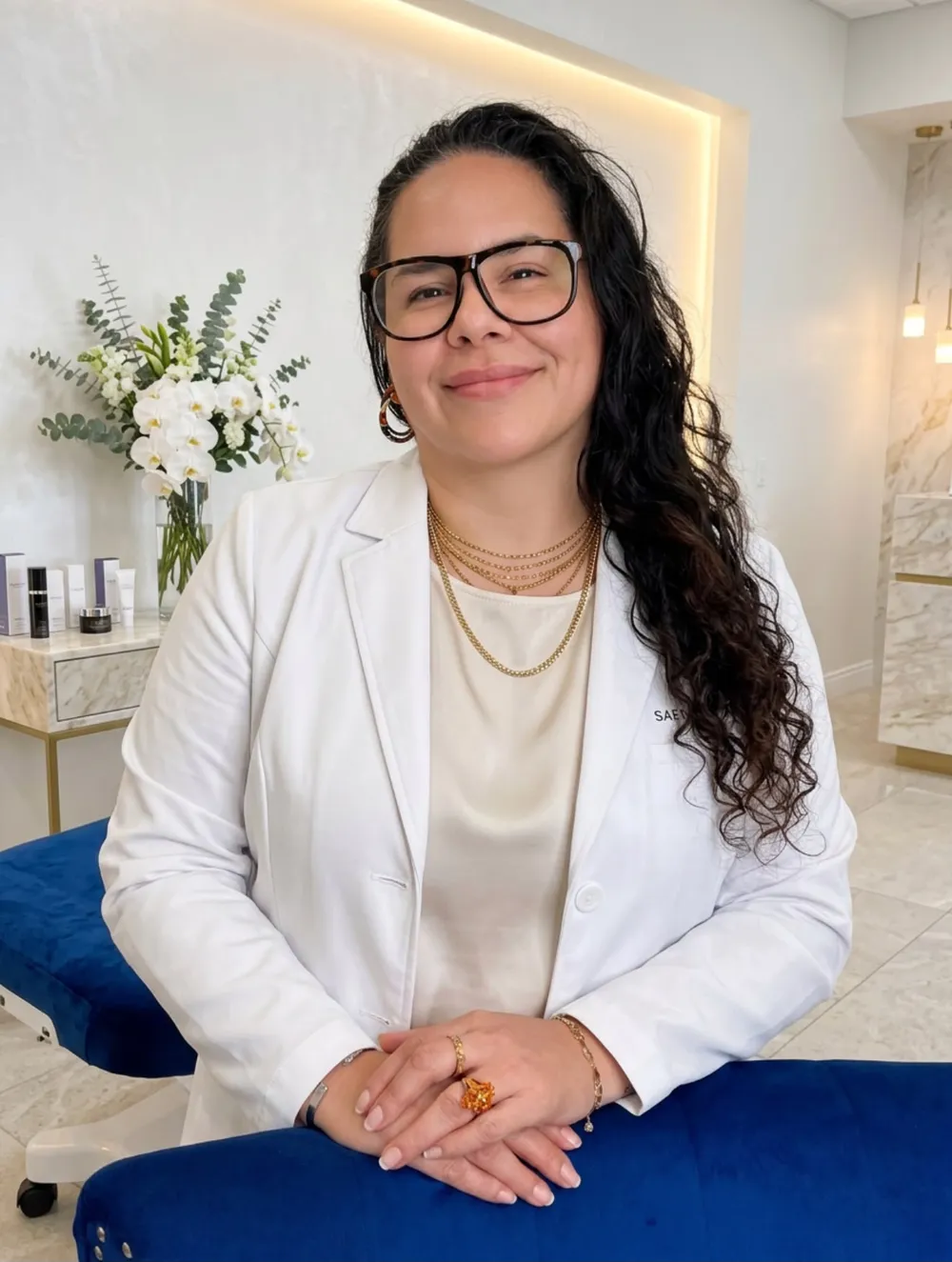
You’ve saved a photo or noticed a feature you’d like to soften, but choosing an injectable still feels like a big first step. A Botox and filler consultation near Milton gives you space to explain that concern before choosing a treatment. We start with your face, your preferences and the questions you brought with you.
Choosing a product can feel like the hardest part
You might know the names Botox and filler without knowing which applies to your concern. A forehead line, a change in cheek fullness and a lip-shape question can look related in a mirror, yet lead to different recommendations.
There’s also the question of how much change you want. You may want to look a little more rested, keep a familiar expression or understand whether treatment fits you at all. Putting those preferences into words is a useful starting point.
It’s common to arrive with an area in mind rather than a treatment plan. The consultation is where we connect that concern with the way your face moves, its proportions and your health history.
Your first decision can be a conversation
An in-person assessment helps separate movement-related lines from concerns about fullness or shape. Botox temporarily reduces activity in selected muscles. Dermal fillers add volume in selected areas. Your provider can explain which type of change each approach is intended to make.
You can focus on one priority at the first appointment. Starting with the concern that matters most keeps the conversation clear, especially when several features catch your attention in photographs.
Our guide to Botox and fillers compared for Milton readers introduces those differences. During the visit, we bring the discussion back to your anatomy and the degree of change you’re comfortable considering.
We make room for your questions in person
At NewYouMD & Aesthetics, you meet a provider face to face and can show us precisely what prompted the appointment. Our physician-led approach considers facial movement, structure and balance. We listen to the features you want to preserve as carefully as the ones you want to discuss changing.
Our dermal filler service uses area-specific planning for concerns such as lip definition, cheek support or facial contours. The recommendation connects the treatment area and product with the goal you describe. We can also explain when movement-related concerns belong in a neuromodulator discussion.
Treatment includes the supplies required for the procedure and a clear protocol for your care afterward. These are in-office procedures, and your instructions explain how to look after the treated area at home. We’ll go through the plan so you can raise practical questions before leaving.
Your follow-up appointment remains here with NewYouMD. That continuity lets us review your response alongside the preferences and observations discussed at your first visit. If something feels unclear after the appointment, you have a clinic to contact.
A photo can show a preference, not just a feature
An inspiration image can help explain a word like subtle or balanced. It can also reveal that what you like is a soft expression, a defined border or a particular proportion. Those are useful topics to discuss even when another person’s anatomy differs from yours.
Bring your own photographs if they show the change you have noticed. A picture from earlier years can help you explain a personal concern more clearly than a heavily edited image. Your provider will still assess your face directly, including how it looks when you speak and smile.
Try describing the part of the image that matters to you. Saying that you like a gently defined lip border gives the conversation more direction than asking for someone else’s lips. It helps the provider understand the aim while planning around your features.
Walk through the appointment before you arrive
Begin with your main concern and what you hope treatment would change. You can point to a feature in a mirror or describe when you notice it most. Explain whether the concern is new, gradual or related to a previous procedure.
Next comes your health history. Share current medicines and supplements, allergies, relevant medical conditions and previous reactions to injections or anesthetics. Mention pregnancy or breastfeeding. Those details help the provider decide whether treatment is appropriate and whether the appointment needs further planning.
Previous cosmetic treatment belongs in that history, too. If available, bring the product name, treatment area and approximate date. Tell us what you liked, what you would change and whether anything unexpected happened afterward. Existing filler can affect the assessment of a new concern.
The American Academy of Dermatology’s filler preparation guidance encourages a consultation that includes questions about the procedure and a thorough health and treatment history. Gathering those details beforehand makes it easier to spend the visit discussing your own priorities.
Your provider examines the relevant areas at rest and during expression. For a muscle-related concern, movement is central to the plan. For a volume or contour concern, the discussion includes proportions and the tissue supporting the area. You can ask the provider to explain what they are noticing.
The recommendation should connect a specific treatment with a specific aim. Ask which feature would be treated first and why. If several areas are discussed, consider whether you want a staged approach that allows a review before deciding on another step.
Before any procedure, you should understand the material being used, the planned areas, the consent discussion and the aftercare. Your provider can explain comfort measures and what you are likely to feel during the appointment. Share any concern about needles early so it can be addressed calmly.
Both treatment types carry risks. Injections can cause tenderness, bruising or swelling; neuromodulators can also cause headache, uneven expression or a drooping eyelid or brow. Fillers can cause lumps, infection or inflammatory reactions. Rarely, filler can block a blood vessel and damage skin or vision, and toxin effects can cause breathing or swallowing difficulties. Sudden vision changes, severe or increasing pain, unusual pale or dusky skin, or breathing or swallowing problems need urgent medical attention. The clinic will explain the response plan and the concerns that need immediate contact.
Aftercare follows the procedure and your individual plan. Ask about makeup, skin products, exercise, touching the area and any upcoming dental or medical appointments. Keep taking prescribed medicines as directed unless the clinician responsible for them advises a change.
Before leaving, clarify when the clinic wants to review the response. Early swelling can affect how an area looks, while muscle-relaxing treatment develops over time. Follow-up gives you a planned point to discuss appearance, comfort and the next decision.
Your calendar is part of the consultation
An upcoming event can change how you feel about timing. Tell your provider about travel, photographs or occasions you have in mind before choosing a treatment date. That information belongs in the plan from the beginning.
You can also explain the demands of the days immediately afterward. Work, exercise or other appointments may raise aftercare questions. A clear discussion helps you understand what adjustments the provider recommends for the procedure being considered.
Leave room for a response that develops at its own pace. The first visit can establish your priorities and an appropriate schedule without turning an event date into a promised result. A thoughtful timeline includes the chance to return to the clinic if needed.
Aim for a decision you can explain comfortably
After a useful consultation, you should be able to say which concern you are addressing and why the proposed treatment fits it. You should also understand the follow-up and the care instructions that come with the procedure.
People often come in hoping for a softer line, more balanced fullness or a feature that feels more like their preference. Explain the change in those everyday terms. Your provider can discuss what the approach aims to achieve within your own facial structure.
Confidence can begin before treatment. Knowing the plan, having your questions answered and choosing a pace you’re comfortable with are meaningful parts of starting care. You can make the next decision with a clearer picture of the process.
Come from Milton with one concern to discuss
If you’re coming from Kensington Farm, Crabapple Crossing or Arbor North, our consultation office is at 3235 North Point Pkwy, Suite 104, in Alpharetta. People near Mayfield Park in Crabapple can use the same office for their initial discussion and subsequent review.
Starting at Milton City Hall, Mayfield Road leads toward the clinic on a drive of about 17 minutes, depending on traffic. Bring any treatment records you want to discuss so they are ready when you meet the provider.
Our clinic also serves nearby Alpharetta and Milton’s Birmingham and Sweetapple communities. Through our Milton-area Botox and filler care, you can explore a treatment plan that starts with your individual concern.
Frequently asked questions
Can I come in before deciding between Botox and filler?
Yes. The assessment is a useful place to connect the feature you notice with the way different treatments work. Describe your concern and preferred degree of change, and your provider can explain the relevant options.
What information about older treatment is helpful?
Bring the product name, approximate date and areas treated if you have them. Describe your response and any concern that followed. Even incomplete records can give the provider a starting point for further questions.
Should I bring an inspiration picture?
You can use one to explain a preference, such as definition or softness. Tell the provider which part appeals to you. The recommendation will be planned around your facial features and the assessment at the visit.
Will we discuss only the feature I came about?
Your main priority leads the conversation, and the provider may assess nearby features to understand balance and movement. You can ask how each observation relates to your concern. That keeps the discussion connected to the change you are considering.
How do I prepare if I’m nervous about injections?
Mention that when you arrange the consultation and again when you meet the provider. Ask for an explanation of the procedure and available comfort measures. Understanding each step can make it easier to decide how you want to proceed.
What should I know before leaving the appointment?
You should understand the recommended approach, your aftercare and how follow-up works. Ask how to contact the clinic with a question and which instructions apply to your treatment. Keep those details somewhere you can find them easily.