
Botox and fillers
Your Botox and Filler Consultation Near Roswell, Explained
You've noticed a feature you'd like to discuss, but you're unsure whether to ask for Botox, filler or simply an opinion. A Botox and filler consultation near Roswell can begin with that uncertainty. You can show us the concern, explain the change you hope for and learn which options fit the assessment.
The feature matters more than knowing the treatment name
You might be thinking about a line that appears when you smile, a change in lip shape or an area that seems to have lost fullness. Those concerns can lead to different treatment discussions, even when people use the word “injectables” for all of them.
Botox temporarily reduces selected muscle activity. Dermal fillers add volume or support in suitable areas. The first task is to understand which feature is bothering you and what is contributing to its appearance.
Describe what catches your attention and when you notice it. A concern visible during expression may look different when your face is relaxed. Both views help your provider understand the goal.
You can also say how much change feels comfortable. The consultation is a place to clarify your preferences and hear the reasoning behind a recommendation before making a treatment decision.
You can ask for an explanation before choosing
The American Academy of Dermatology recommends a consultation and preparation of health information before filler treatment. Questions about the intended effect, risks and your individual circumstances help make the decision informed.
We apply that conversational approach to discussing injectables. Your provider examines the area, reviews your history and explains what the proposed treatment is intended to change.
You can ask for the difference between softening movement and adding support to be shown on your own face. Seeing the area being discussed often makes the explanation more useful than comparing product names alone.
Our Botox and filler care near Roswell provides that in-person assessment. The goal is a plan you understand, with a clear purpose for each treatment being considered.
Meet the provider who will carry out the procedure
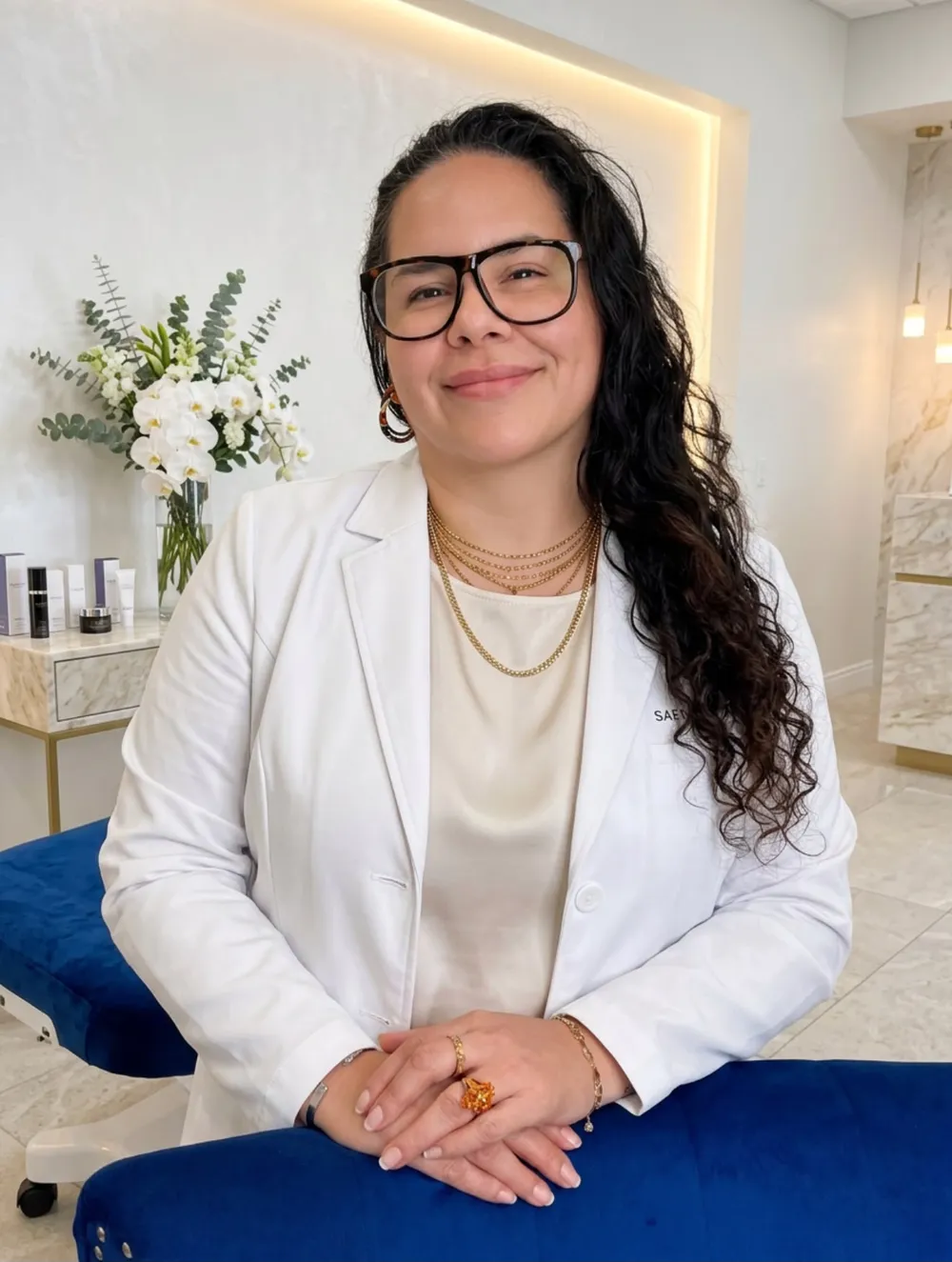
At NewYouMD & Aesthetics, the provider discusses your goals with you face to face and performs the in-office treatment when it is appropriate and agreed upon. Care is physician-supervised, with planning based on anatomy and your preferences.
We explain the area being treated and the reason for the product choice. Our dermal filler service matches the treatment to the area, including its shape, movement and support needs.
If a wrinkle relaxer is part of the discussion, we consider the expression producing the line and the movement you would like to retain. You can ask how the proposed approach relates to that goal.
You receive an aftercare plan for the procedure and follow-up with the same clinic. We explain what to do after the visit, what to report and how the developing result will be reviewed.
That continuity matters because the treatment day is one stage of care. Your observations afterward help us discuss how the result relates to the original plan and whether any question needs a closer look.
Your skin's condition on the day can affect the plan
Before the consultation, tell us about irritation, a rash, a sore or another skin change in the area you're hoping to treat. Mention recent facial treatments and any product that has made the skin uncomfortable.
A provider needs to see the area as it is and decide whether the timing is suitable. If you have a history of cold sores and want lip treatment, include that information before a procedure is planned.
You can bring a list of skin products if their names are hard to remember. Explain which are new and whether you've noticed a reaction. This gives the assessment useful context without requiring you to decide the cause.
The aim is to plan the procedure with the condition of your skin in view. Tell us about a change even if it seems small, so it can be considered before treatment rather than become an unanswered question afterward.
What the consultation and treatment discussion cover
We begin with your goal. Point to the area and describe what you want to change, using everyday words such as softer, more defined or more balanced. Explain what you would like to keep as well.
Your provider observes facial proportions and movement. For a line, that may include comparing the face at rest and during expression. For a volume or shape concern, it includes looking at the surrounding features and how the area moves.
The health review covers prescriptions, supplements, allergies, previous procedures and earlier reactions. Tell us about pregnancy or breastfeeding and any condition that affects nerves, muscles, bleeding or healing. Bring details of earlier injectables when available, including product names, dates and areas treated.
Next, we explain the options. Botox may be discussed for movement-related lines. Filler may be considered for suitable volume or shape concerns, such as the lips or cheeks. The product and placement are selected for the area and purpose, and the provider explains why that approach fits.
Risks differ between procedures. Botox can cause tenderness, bruising, headache or unwanted brow or eyelid drooping; rare spread of its effect can cause difficulty speaking, swallowing or breathing, which requires urgent care. Filler can cause swelling, bruising, tenderness, lumps, infection or inflammatory reactions. Rare injection into a blood vessel can damage skin or vision. Severe or unusual pain, pale or dusky skin, or any vision change after filler needs immediate attention. Your provider reviews the risks and health factors relevant to the proposed treatment before you decide.
If you proceed, the provider prepares the area and performs the agreed treatment. Ask about comfort measures and what you'll feel during the procedure. Clear expectations can make the experience less unfamiliar.
Before leaving, review the aftercare instructions and the follow-up arrangement. Confirm guidance for your planned activities and how to contact the clinic with concerns. Botox develops its effect after the visit, and early filler swelling can influence the first appearance, so the timing of review matters.
Our Roswell comparison of Botox and fillers explains their roles in more detail if you want to prepare questions about which one suits your concern.
Ask how several concerns would be prioritized
You may arrive with more than one feature in mind. Rather than trying to decide the entire plan at once, explain which change matters most to you and which feels secondary.
Your provider can discuss whether the concerns are related and how treatment of one area could affect the overall appearance. A staged plan may allow the effect of one decision to be reviewed before another is made.
Ask what the first step is intended to accomplish and what would be assessed afterward. That keeps each treatment connected to a purpose you can recognize.
You can also say when you prefer to focus on a single area. Your comfort with the scope of treatment belongs in the conversation. The plan should be understandable and aligned with the preference you expressed.
Leave with a shared picture of the intended change
A useful consultation gives you language for the goal. You may understand that the concern is mainly about movement, that support in an adjacent area matters or that the appearance needs more than one kind of assessment.
Before proceeding, explain the plan back in your own words. Ask which part of the feature should change and how the result will be reviewed. This helps ensure that your expectations and the proposed treatment are connected.
After treatment, describe what you notice in ordinary expressions and at rest. Bring questions to the planned follow-up so the result can be considered with the original assessment in view.
The aim is to feel informed and comfortable participating in the decision. You can ask for clarification, express a preference and understand why the next step was chosen.
Arrange your consultation from Roswell
We see you at our Alpharetta office, 3235 North Point Pkwy, Suite 104. From Roswell City Hall on Hill Street, the trip takes about 20 minutes via US-19 north, depending on traffic.
Residents of Willow Springs, Martin's Landing and the historic district around Canton Street can come to this location for their consultation. If you're beginning near Town Square on Atlanta Street or Old Mill Park on Mill Street, the clinic is at the North Point Pkwy address farther north.
We also serve nearby East Hillside, South Shore and Six Branches communities within Martin's Landing. For people coming from the area around East Roswell Park on Fouts Road, the procedure and follow-up take place at that same Alpharetta clinic.
Bring the names of previous treatments and a few words about the change you want to discuss. We can use the appointment to clarify the options and explain what a plan would involve.
Frequently asked questions
Can I book a consultation without deciding which injectable I want?
Yes, start with the feature or change you'd like to discuss. The provider can assess it and explain the options that fit. Understanding the purpose of a treatment is part of the consultation, before you choose whether to proceed.
What should I mention about recent skin treatments?
Tell us what was done, when it happened and how the skin has felt since. Include any irritation or other change in the area. Your provider can consider that information when discussing the timing and suitability of an injectable procedure.
How do I describe a subtle goal?
Explain what you want to notice less and which features or expressions you want to keep. Words such as softer or more defined can be a starting point, then the provider can clarify the meaning with you during the examination.
Can more than one concern be discussed at the same consultation?
You can bring several concerns and identify the one that matters most. The provider can explain how they relate and how a plan might be prioritized. A clear first step helps keep the discussion manageable.
What happens after an in-office procedure?
You receive aftercare guidance and an explanation of the follow-up plan. Tell us about activities you have coming up and ask how to handle questions after the visit. Review at the same clinic connects your experience with the original treatment goal.