
Botox and fillers
First Botox Appointment Near Peachtree Corners, Explained
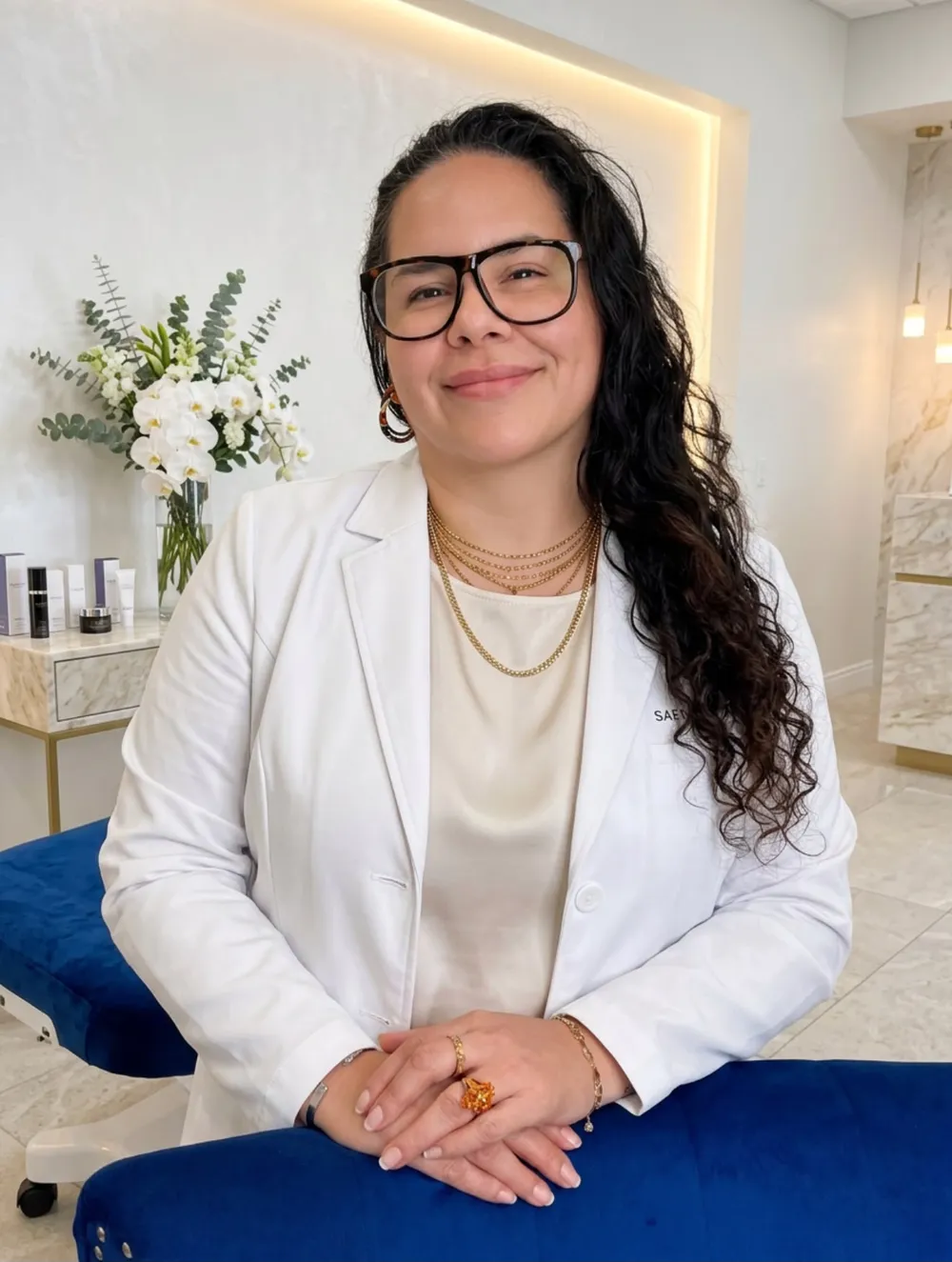
You're arranging the rest of your day around an appointment, then realize you don't know what the visit itself will involve. Your first Botox appointment near Peachtree Corners can feel easier to approach when you understand the conversation, examination and aftercare that surround the injections.
The unfamiliar steps can take up more space than the procedure
You may be comfortable explaining the line that bothers you but unsure what happens after that. Will someone examine your face first? When do you ask questions? How will you know what to do once you leave?
Those are useful questions for a first visit. Understanding the sequence can help you focus on the treatment decision instead of trying to guess what comes next.
We begin by listening to your concern and reviewing the information that affects care. You can tell us that this is your first cosmetic Botox appointment and ask for an explanation as the visit progresses. The goal is for you to understand the plan before treatment starts.
The visit gives you a chance to connect the plan with your goal
Botox temporarily reduces the activity of selected muscles, which can soften suitable expression lines. The provider examines how your face moves and explains which part of the concern the proposed treatment addresses.
That assessment helps turn a general wish into a specific discussion. You might want a frown line to look softer while keeping an expression that feels familiar. The provider can explain how the treatment plan relates to those priorities.
The American Society of Plastic Surgeons describes the goals, health history and questions discussed before botulinum toxin treatment. It also recognizes that a first visit can bring mixed feelings. Bring those feelings into the conversation so the provider understands what would help you feel more comfortable.
You meet the provider who will carry out your care
NewYouMD & Aesthetics offers physician-supervised care with an in-person assessment. We discuss your preferences, examine the relevant area and explain the recommended approach before an agreed procedure.
Your provider performs the Botox treatment in the clinic. We then explain the aftercare plan, how to contact us and the plan for follow-up at the same office. You have a place to return to discuss the treatment with the clinic that provided it.
Our Botox and Dysport service page explains the expression-line care available here. At your appointment, we connect that information with what you notice in your own face. You can ask the provider to slow down, explain an unfamiliar word or revisit a question before moving to the next step.
Tell us what the rest of your day involves
A treatment appointment sits inside an ordinary day. You may have exercise planned, an activity involving pressure against your face, or another appointment afterward. Mention those plans before treatment so the provider can explain any relevant changes.
The helpful question is specific: “I have this activity planned; how should I handle it after today's treatment?” That gives the provider something concrete to address instead of leaving you to interpret a broad instruction on your own.
If an activity needs adjusting, understand both the instruction and when it applies. Write it down with the rest of your aftercare information. Planning the immediate period after the appointment can remove one source of uncertainty without turning the entire day into a complicated project.
Move through the appointment one step at a time
First, describe the feature that prompted the visit. Explain when you notice it and the change you're hoping to discuss. Tell the provider what you like about your expression as well, so the conversation includes what you want to preserve.
Next, review your health and medication history. Include medicines, supplements, allergies and earlier cosmetic procedures. Mention pregnancy or breastfeeding, muscle or nerve conditions, swallowing or breathing problems, and any previous botulinum toxin treatment for another reason. These details can affect whether treatment is appropriate and how the plan is made.
The examination looks at your face at rest and during movement. The provider may ask you to make expressions to see the muscles involved. This is a chance to point out the feature in motion, rather than relying only on a still image.
Then you discuss the proposed treatment areas and intended effect. Ask why those areas were chosen and how the plan relates to your concern. If a recommendation surprises you, ask for the reasoning before deciding. Understanding the plan is more useful than memorizing a list of injection locations.
Safety is part of the decision. Botox can cause tenderness, bruising, headache or an uneven result, including a temporary change in eyelid or brow position. Rare spread of its effect can cause swallowing, speaking or breathing difficulty, which needs urgent medical attention. We review the risks relevant to you and explain which symptoms need a prompt response.
For an agreed procedure, the provider carries out the injections in person. Tell them how you're feeling during the treatment, including if you need a pause. The visit should allow clear communication throughout.
Before you leave, review the aftercare instructions and contact information. The effect develops over time, so ask when your result should be assessed and how follow-up is arranged. Keep the plan available at home so you can check an instruction without trying to reconstruct the conversation from memory.
Our Peachtree Corners guide to forehead wrinkle treatment discusses one common reason for a Botox assessment if that is the area you're considering.
Use the review to describe movement, not just a photograph
A photograph can show how an area looks at one moment. Your everyday observations can add another part of the story: how your expression feels when you talk, smile or raise your brows.
At follow-up, describe the original concern and what you've noticed since treatment. If the result differs from what you expected, explain the difference as specifically as you can. The provider can consider that account alongside the examination and the original plan.
Try to keep the review connected to the goal you discussed before treatment. A new concern can be noted too, but separating it from the first one helps make the conversation clearer. The appointment becomes a useful assessment of the treatment you received, rather than an open-ended search for more areas to change.
Aim for a first visit that leaves you informed
People often hope for a softer expression line and a result that fits their familiar face. The provider explains what the proposed treatment aims to achieve and how your individual response will be reviewed.
A useful first appointment also leaves you knowing what was treated, what to do afterward and how to reach the clinic. That knowledge can make the days after treatment feel less uncertain.
You can bring questions back to the same clinic as the effect develops. We can explain the appropriate next step in the context of your treatment and original preferences. If you're still deciding between types of injectable care, our Peachtree Corners comparison of Botox and fillers explains the different roles.
Arrange your first visit from Peachtree Corners
The treatment takes place at our Alpharetta office: 3235 North Point Pkwy, Suite 104. Allow about 21 minutes from The Forum on Peachtree Parkway by GA-141 north and State Bridge Road, depending on traffic.
People coming from Peachtree Station, Riverfield and North Manor can bring their questions here for an assessment and treatment discussion. If your starting point is near Peachtree Corners Town Center, this same office is where your follow-up will take place.
We also care for neighbors from Revington and Spalding Corners. The Peachtree Corners Botox and fillers page explains the services at our nearby clinic so you can review the local care options before arriving.
Keep your medication information and the questions about your day's activities together. Having those details ready lets the visit focus on your concern and the practical instructions that apply to you.
Frequently asked questions
Can I ask questions while the appointment is underway?
Yes, tell the provider when something needs explanation. Questions about the plan are best discussed before treatment, and you can also speak up during the procedure. Clear communication helps the provider understand your comfort and preferences throughout the visit.
Why does my medical history matter for a cosmetic concern?
Your health and medicines can affect whether Botox is appropriate. Sharing the full history helps the provider assess your situation and explain the plan. Include treatments for other conditions, even when they seem separate from the feature you're discussing.
Should I mention that I have exercise planned afterward?
Tell the provider about your plans for the period after treatment. They can explain the instructions that apply and any adjustments needed. Ask about the activity specifically so you leave understanding how to handle it.
How should I describe the expression I want to keep?
Explain which movements or features feel characteristic of your face. You can demonstrate them during the examination. That gives the provider useful context when discussing the intended change and the balance of the treatment plan.
What should I keep from the first appointment?
Keep the aftercare instructions, contact information and details of your treatment. It can also help to note the goal you discussed and when review was advised. Those details give you a clear starting point for later questions.
What will we discuss at follow-up?
We return to the treated concern and review your response. Describe what you've noticed about the area's appearance and movement, along with any questions. The provider can consider those observations with the examination before discussing further care.