
Botox and fillers
Before Your First Botox Appointment Near Sandy Springs
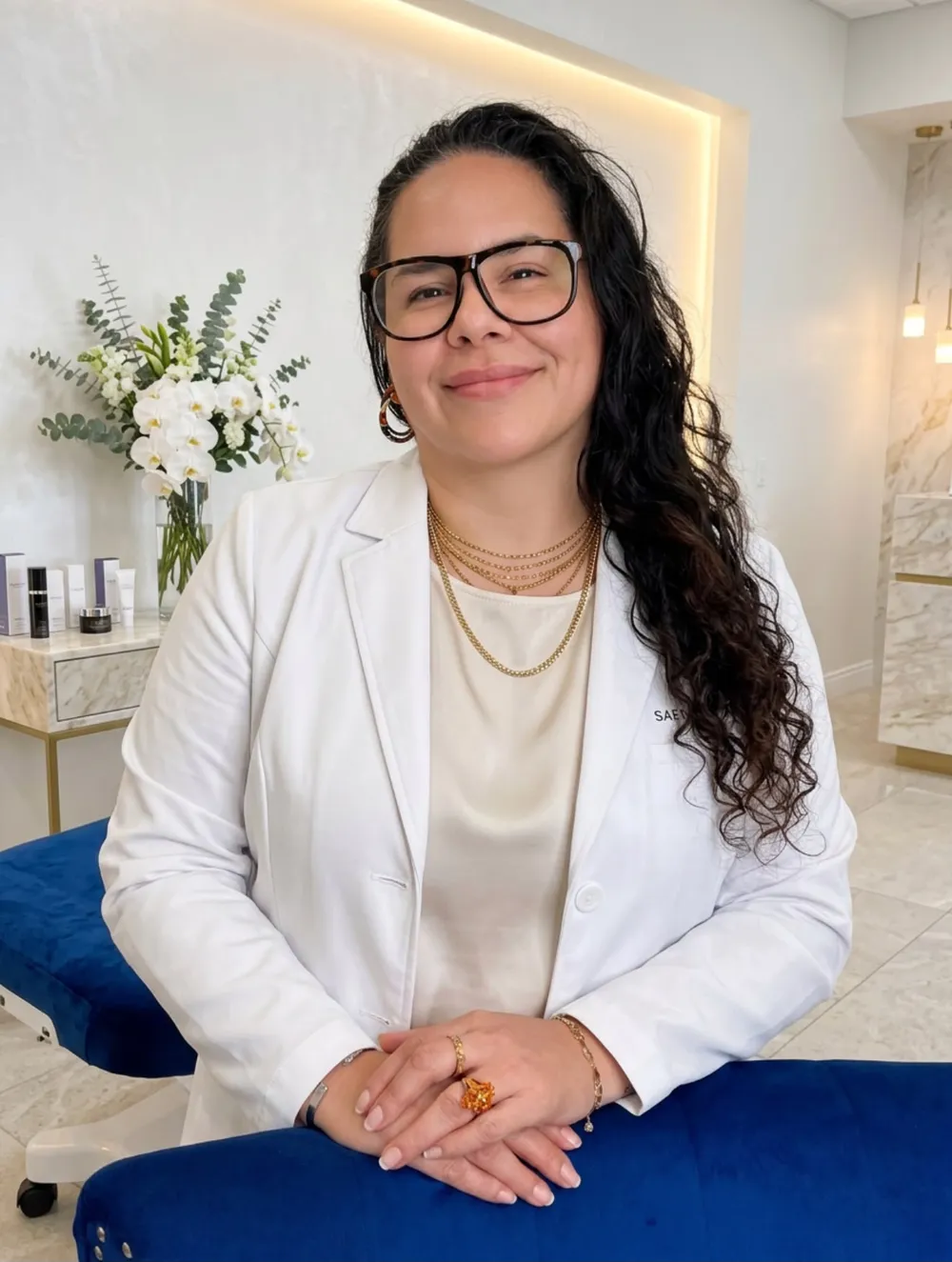
The appointment reminder arrives, and you realize the question on your mind is less about the wrinkle and more about what happens when you walk in. Your first Botox appointment near Sandy Springs can be a straightforward conversation, with time to understand the assessment, the procedure and the care afterward.
The unfamiliar parts are worth explaining before treatment
You may wonder whether you need to know an amount, how the provider chooses the treatment area or what the injections feel like. You may also want to be sure that your usual expressions are part of the discussion.
Bring those questions with you. The appointment begins with your concern and an assessment, so the proposed plan can be explained before you decide whether to proceed.
It helps to describe the change you want in everyday terms. You might want a line to look softer while keeping movement, or you may want help understanding whether the treatment fits the concern at all.
Your provider can connect that goal with the examination. The useful starting point is a shared understanding of what you are considering and why.
You can learn the steps in the order they happen
The American Society of Plastic Surgeons describes a botulinum toxin consultation as a discussion of goals, medical history and the treatment options relevant to the assessment. That gives the procedure a clinical basis before any injections are planned.
Botox has a temporary effect on the activity of the muscles selected for treatment. When those muscles create expression lines, the treatment can soften the movement-related creasing being addressed.
The provider explains how that purpose relates to your face. The amount and treatment pattern are chosen from the assessment, with your preferences and health in view.
You can ask what will happen during the appointment and what you should expect to discuss afterward. Understanding the sequence can make the first visit feel more manageable.
We guide the assessment, procedure and aftercare in person
At NewYouMD & Aesthetics, your provider examines facial movement and talks through the goal within physician-supervised care. We review your health and previous procedures before explaining an appropriate plan.
Our Botox and Dysport service uses anatomy-aware planning for expression-related concerns. We consider the area you want to address alongside the movement you want to retain.
If you choose a suitable procedure, the provider performs the treatment here in the clinic. You receive an aftercare plan and guidance about contacting us with a concern.
Follow-up takes place with the same clinic. We review the response against the starting assessment and discuss your experience of the appearance and movement.
The goal is to make the whole process understandable. You should know the purpose of the treatment, what happens in the room and how the care continues after you leave.
Tell us about medical injections as well as cosmetic ones
If you receive botulinum toxin treatment for another reason, such as a medical condition, include it in your history. Bring the product, treatment date and the clinician’s details if you have them.
A treatment outside the face can still be relevant to the provider planning your cosmetic procedure. The medicines involved and the timing belong in the same review, even when the reasons for treatment are different.
If you are uncertain about the product name, tell us what the treatment was for and where it was given. Records can help clarify the information needed before a plan is finalized.
This is a useful detail to remember because a first cosmetic visit may still follow earlier medical treatment. Giving the provider that fuller history helps keep the decision connected with all of your care.
Follow the visit from your goal to the review plan
First, describe the feature you want to discuss. Explain when you notice it and what you hope would look different. Point out the movement or characteristic you particularly want to preserve.
The provider reviews your medical history, medicines, supplements and allergies. Mention pregnancy, breastfeeding, recent illness, skin infection and conditions affecting nerves or muscles. Bring any earlier injectable or facial-procedure details, including treatment received for medical reasons.
Next comes the facial assessment. You may be asked to raise your brows, frown or make another expression so the provider can see which muscles contribute to the concern. Resting position, brow and eyelid relationships and existing differences between sides are considered too.
The plan should connect those findings with a clear purpose. Ask which area would be treated, what movement is being targeted and how the approach fits the change you want. The provider selects the product and amount rather than expecting you to arrive with those decisions made.
Discuss the likely experience of the procedure. The provider prepares the area and uses small injections in the planned locations. You may feel brief pinches or local discomfort; tell the team if you want an explanation before a step or need a pause.
Risks include bruising, tenderness, redness, headache, uneven response and unwanted brow or eyelid drooping. Rare spread of toxin effects can cause serious weakness or difficulty speaking, swallowing or breathing, which requires urgent medical attention. Your provider reviews the relevant risks and precautions with you before treatment.
If the procedure goes ahead, stay involved in the conversation. Speak up if something feels uncomfortable or you become lightheaded. The provider can respond to what you are experiencing while carrying out the plan.
Before leaving, go through aftercare. Confirm the instructions for activity, touching the area and other facial procedures, along with the contact details for a concern. Use the directions given for your treatment and ask about anything you are unsure how to apply.
Finally, understand the review timing. The effect develops after the visit, and the provider explains when the response can be assessed. A follow-up conversation considers the movement, appearance and original goal together.
Our Sandy Springs forehead-line guide explains how movement and brow position enter treatment planning. It can help you identify observations to bring if that is the area you want to discuss.
Save your questions as the effect develops instead of judging every glance
It is understandable to look closely after a first treatment. The more useful approach is to follow the review plan and note a specific question when something catches your attention.
Describe the area, what you notice and when it began. If the concern involves movement, explain the expression you are making rather than relying only on a still photograph.
Use the aftercare contact instructions for concerns that need attention sooner. A planned review gives you a place to discuss the developing effect, while the contact plan tells you how to raise a new issue in the meantime.
At follow-up, connect the response with the goal you originally described. That makes the conversation about whether the plan fits your own face, and what an appropriate next decision might involve.
Aim for a first experience that leaves you informed
People often hope for a softer-looking line and a result that still feels familiar when talking or smiling. Explain what that would mean to you so the provider can discuss the goal clearly.
A good first experience also includes understanding the procedure and aftercare. You should know what was treated, how the effect will be reviewed and where to take questions.
Your response becomes useful information for later care. Tell the provider what you like and which part feels different from what you expected, so future discussions can use your experience.
Relief can come from knowing the sequence and being able to speak up within it. We want your first appointment to feel like a conversation you can follow from beginning to follow-up.
Come to your first appointment from Sandy Springs
Your consultation and procedure take place at our Alpharetta clinic, 3235 North Point Pkwy, Suite 104. From Sandy Springs City Hall at City Springs, travel north on GA-400 for about 22 minutes, depending on traffic.
We welcome people coming from Huntcliff, Riverside and Mount Vernon Woods for their first assessment. Those starting near Morgan Falls Overlook Park or Hammond Park visit this same office for treatment and review.
Our clinic also welcomes nearby Mountaire Springs, Glenridge Hammond and North Springs communities. The Panhandle around Spalding Drive and Dunwoody Club Drive has access to GA-400 through the Northridge Road connection.
Our Sandy Springs Botox and filler care page explains the service near your community. Bring your questions and treatment history so we can help make the first visit clear and useful.
Frequently asked questions
What if I have had botulinum toxin for a medical condition before?
Include it in your history even if the treatment area was different. Bring the product, date and treating clinician’s details where possible. Your provider can use that information when assessing the timing and suitability of a cosmetic procedure.
Do I need to choose how many units I want before arriving?
The provider selects the amount from the product, anatomy and treatment goal. Your role is to describe the change you want and the movement you hope to preserve. Ask for the reasoning behind the plan so the recommendation is clear to you.
Can I ask the provider to explain each step during treatment?
Say what would help you feel comfortable before the procedure begins. You can ask for an explanation, mention discomfort or request a pause. Understanding what is happening helps you remain involved in the appointment.
What is useful to note while the effect is developing?
Record a specific observation and when it began, including the expression involved if movement is the concern. Follow the review and contact instructions from the clinic. That gives the provider clearer information than a general feeling that something looks different.
How should I think about a future treatment after the first one?
Begin with the review of your response and preferences. Describe the parts of the response you appreciated and any preference that has changed since the first visit. A future plan should follow a fresh assessment that takes your experience and any health changes into account.
Can my first visit include questions about filler as well?
You can describe other concerns and ask how the purposes differ. Our Sandy Springs injectable consultation guide explains how those questions fit the assessment. The provider can help identify which concern to address first and what options deserve discussion.