
Medical weight loss
Semaglutide vs Tirzepatide in Alpharetta: The Key Differences
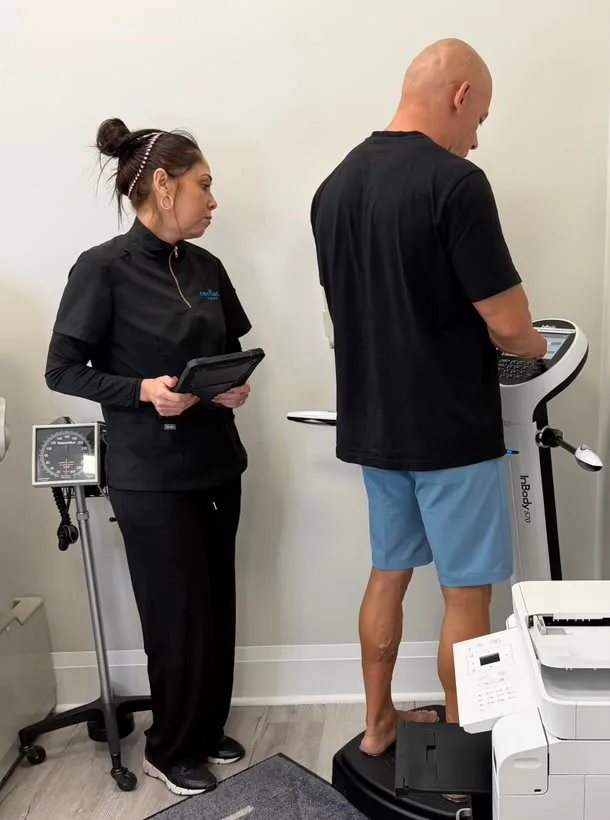
The key difference between semaglutide and tirzepatide is the hormone signaling they act on. Semaglutide mimics GLP-1, which helps regulate appetite and food intake. Tirzepatide mimics both GIP and GLP-1. The injectable weight-management forms are used weekly, and both belong in a plan that includes eating habits, activity, and follow-up.
If you are comparing semaglutide vs tirzepatide in Alpharetta, the next decision is which option fits your health, current medicines, treatment history, and goals. At NewYouMD & Aesthetics, both can be discussed in our physician-supervised weight-management program. We connect the medication decision with monitoring, nutrition, and support for muscle and hair health.
One hormone pathway versus two
GLP-1 is short for glucagon-like peptide-1. It is a hormone involved in appetite and food intake. Semaglutide acts like this hormone, targeting areas of the brain that help regulate those functions. The practical effect can include feeling less hungry or feeling full sooner.
GIP stands for glucose-dependent insulinotropic polypeptide. Tirzepatide acts on both GIP and GLP-1 pathways. That dual action is the main mechanism difference between the medicines. It is a difference in how the treatment works, not simply a different name for the same medicine.
The National Institute of Diabetes and Digestive and Kidney Diseases describes both medicines and their role in long-term weight management. It also explains why medication works best within a broader lifestyle program.
Both injectable options use a weekly treatment routine. The specific dose and instructions belong to the individual prescription. Medication names, doses, and instructions should stay together when discussing a plan or reviewing treatment you have used before.
The comparison starts with your health
Weight-management medicines are considered in the context of weight-related health needs. For adults, common assessment thresholds include a BMI of 30 or higher, or 27 or higher with a weight-related health condition. BMI describes weight in relation to height; medical history adds important context.
Conditions such as high blood pressure or type 2 diabetes can be part of that assessment. Other medicines, family history, and previous treatment experience also influence the decision. The goal is to identify an appropriate treatment plan for the person, not only a medicine that affects appetite.
At NewYouMD, candidacy review includes your history, goals, and relevant labs. Testing may consider glucose, thyroid, lipids, metabolic markers, and other findings selected for the assessment. Those details help shape the medication decision and monitoring.
Earlier treatment is useful information. Include which medicine you used, the schedule, how long you used it, and why it changed or stopped. That history can clarify the concerns that need attention in a new plan.
What both medicines have in common
Both can support weight loss by affecting appetite-related signals. Both also work within a plan for healthy eating and physical activity. The medication and daily habits have complementary roles in long-term weight management.
A smaller appetite changes how eating feels, but nutrition still needs attention. Our program includes protein planning, hydration, and nutrition guidance. The treatment review considers what you are able to eat and how the plan fits your routine.
Movement belongs in the plan as well. Our care includes resistance-training and muscle-preservation guidance, with body-composition support when appropriate. Progress is considered alongside those goals, rather than only the number on the scale.
Monitoring is another shared feature. Symptoms, relevant results, treatment use, and the weight trend help guide adjustments. The medicine choice is the start of a process that continues through follow-up.
How to think about expected progress
Weight-management response varies by medicine and by person. A useful treatment goal connects weight change with health, daily habits, and follow-through. The review looks at the trend over time and what is happening alongside it.
A loss of 5% to 10% of starting weight can improve health measures such as blood sugar, blood pressure, and triglycerides. Weight loss can also improve some weight-related concerns, including joint pain and sleep apnea. The meaning of progress can therefore extend beyond clothing size.
At NewYouMD, we consider how the plan supports nutrition and muscle as weight changes. The goal is steady, medically guided progress. The medication schedule, food intake, hydration, and activity all belong in the review.
A slow period is a reason to review the full picture. Treatment use, eating patterns, activity, and other medicines can all be relevant. The next step should follow that assessment, including whether the current plan remains suitable.
The dose is individualized
Semaglutide and tirzepatide have their own dosing plans. A number on one prescription is not a conversion guide for the other. If treatment changes, the new medicine needs its own instructions and monitoring arrangements.
Our provider personalizes dosing and adjustments according to the assessment. Follow the instructions supplied for your treatment. Changes in how you are tolerating the medicine or following the routine belong in the review before an adjustment is made.
Keep the treatment details available when discussing your care. The medicine name, dose, treatment dates, and recent changes help explain the response. Those details are more useful than remembering only that you are taking a weekly injection.
The plan also includes what is being monitored. Relevant findings, nutrition, symptoms, and progress are considered together. A treatment review can lead to continuing the same approach or changing part of it.
Long-term use and maintenance
Obesity is a chronic condition, and weight management often requires long-term care. Medication may continue when it is helping and remains appropriate. Duration depends on response and the clinical review rather than a single fixed course for everyone.
Weight regain is common after stopping weight-management medication. Maintaining eating and activity habits can help limit regain. Planning for maintenance is therefore part of treatment, not a separate issue left until the final prescription.
The same habits that support active weight loss have a role afterward. A manageable eating pattern, regular activity, and follow-up help make the next stage more structured. The details are adapted to your health and circumstances.
If you are considering a change or a pause, include the reason in your review. The plan can then address the next stage deliberately, with attention to appetite, routines, and the health goals that led to treatment.
Risks and health history to review
Possible side effects vary with the medicine and the individual. Our weight-loss review includes gastrointestinal symptoms and treatment tolerance, as well as concerns that need prompt assessment. Report persistent or concerning symptoms so the plan can be reviewed.
Both medicines require attention to a personal or family history of medullary thyroid cancer or multiple endocrine neoplasia syndrome type 2. These conditions can make treatment unsuitable. Include important family history even when it has not affected your own health.
Weight-management medication should not be used during pregnancy or when planning pregnancy, and it is not recommended during breastfeeding. Other medicines and supplements can also affect treatment decisions. Do not combine weight-loss products unless they are part of a prescribed plan.
The assessment reviews relevant medical conditions, allergies, and current treatment. This helps identify which option is suitable and what monitoring is needed. New health information remains relevant after treatment has started.
How we choose and monitor treatment at NewYouMD
Our GLP-1 medical weight-loss program includes consultation, lab review, personalized dosing, and ongoing monitoring. Semaglutide and tirzepatide can both be considered when medically appropriate, with physician-supervised care throughout the program.
Nutrition is built into the plan. We discuss protein intake, hydration, and eating habits alongside medication. Resistance training and body-composition support help keep muscle-related goals in view during weight loss.
We also consider hair health. Patients with shedding or relevant risk factors can be directed into our post-weight-loss hair assessment pathway. That review can consider nutrition, hormones, thyroid, and scalp concerns when appropriate.
Follow-up connects those pieces. The medication decision, response, practical routine, and related findings are reviewed together. Your experience with the plan helps guide the next step alongside the clinical information.
Before your consultation
Have your current medicines and supplements, important personal and family history, earlier weight-loss treatments, and relevant reports available. Include what helped before and what was difficult to maintain. Our consultation is complimentary and no-obligation; you can begin without choosing a medicine in advance.
Medical weight management in Alpharetta
We provide medical weight-loss assessment and follow-up at 3235 North Point Parkway, Suite 104, Alpharetta. Use the call or online-booking option below to arrange your visit.
Frequently asked questions
What is the main difference between semaglutide and tirzepatide?
Semaglutide acts on the GLP-1 pathway. Tirzepatide acts on both GIP and GLP-1 pathways. Both influence appetite and food intake, while treatment selection also considers your history, current medicines, and clinical assessment.
Are the injectable forms both weekly treatments?
Yes, the injectable weight-management forms use a weekly routine. The dose and instructions are specific to the medicine prescribed for you. A change between medicines needs a new plan rather than transferring the previous instructions unchanged.
Do I still need nutrition and activity support?
Yes. These medicines work best as part of a lifestyle program. Our care includes nutrition, protein planning, hydration, and resistance-training guidance alongside medication and monitoring.
How is progress reviewed?
We consider the weight trend, treatment tolerance, eating and activity routines, and relevant clinical findings. Muscle, nutrition, and hair-health concerns can also be part of the review. The next decision is based on the combined picture.
Will treatment necessarily end once I lose weight?
Duration depends on the response and clinical review. Weight management is often long-term, and some people continue medication while it remains beneficial and appropriate. Maintenance planning includes the habits and follow-up that support the next stage.
Can I discuss a medicine I have already tried?
Yes. Share its name, dose, schedule, dates of use, and your experience. Include why treatment changed or stopped. That history helps us identify what needs attention when considering your next plan.