
Medical weight loss
Weight Loss Plateau Help in Alpharetta: What to Review
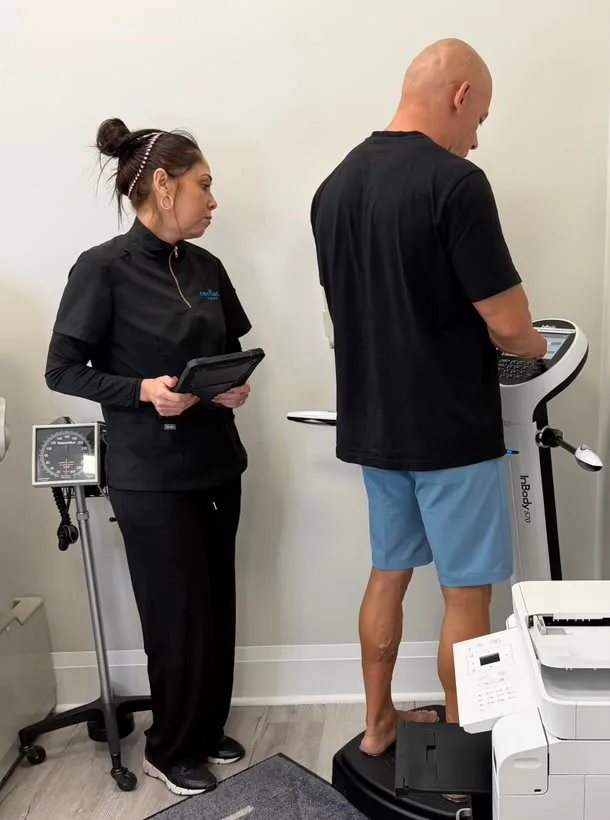
Weight loss plateau help in Alpharetta starts with a review of your weight trend, eating routine, activity, and current treatment. A slowdown is not a reason to raise a medicine dose on your own. At NewYouMD & Aesthetics, we look at the full plan, including nutrition, muscle, treatment tolerance, and relevant labs, before choosing the next step.
The useful question is what has changed and what needs attention now. That might mean revisiting your food routine, reviewing the medication plan, or checking whether maintenance has become the next goal. Your earlier progress is part of the assessment, even when the scale is no longer moving as you hoped.
Review the trend before choosing an adjustment
Start with the dates and measurements you have. A record that shows when weight loss began and when it slowed gives the review a clear timeline. Add changes in medication, appetite, activity, or routine during the same period.
Describe what you mean by a plateau. Is weight staying around the same number, or is it still falling more slowly? Is the main concern the scale, or have energy, strength, and eating become difficult too? Those are different pieces of information and deserve to be separated.
Our review considers the pattern alongside your health history. The purpose is to identify a sensible adjustment with a clear reason. It is easier to follow a plan when you understand what the change is meant to address.
You do not need a perfect spreadsheet. A short list of dated weights and a description of the current routine is enough to begin the conversation. Include what has been working so that useful habits remain part of the next stage.
Put medication response in context
Weight-management medicines work with eating and activity changes. They can reduce hunger or help you feel full sooner, but the treatment review still includes daily habits and clinical findings. Response varies by person and by medicine.
The National Institute of Diabetes and Digestive and Kidney Diseases explains that most medication-related weight loss happens within the first six months. It also describes reassessing treatment when the response is not sufficient, including changes to medication or the lifestyle program.
Its general review point is less than 5% weight loss after 12 weeks on the full dose. That is a clinical decision point, not a personal instruction to stop treatment. Time on the full dose is different from time since the first injection, and your own medicine and history guide the decision.
A review can lead to continuing treatment, changing the plan, or considering another approach. The reason should be clear. The scale trend, treatment tolerance, health goals, and current routine all contribute to that choice.
Check the treatment details accurately
If you use medication, have the exact name, current dose, schedule, and dates of recent changes available. Include any interruptions. These details help us understand what treatment you have received when reviewing the weight trend.
Semaglutide and tirzepatide are different medicines with their own instructions. A dose number from one is not a guide for using the other. A treatment change needs its own plan rather than an assumption that the previous instructions transfer across.
Our program personalizes dosing and adjustments through medical review. Appetite changes are useful to describe, but they are considered alongside nutrition, response, and relevant findings. A dose decision should account for that broader picture.
Other medicines also matter. Some can influence weight or affect which treatment is appropriate. Keep prescribed treatment, over-the-counter products, vitamins, and supplements on the same list so the review has the necessary context.
Look at what eating is like now
Food planning should reflect the routine you are following today. Describe usual meals, drinks, protein intake, and the times when you find it difficult to eat regularly. If appetite has changed, explain how that affects your food choices.
Our nutrition guidance includes protein planning and hydration. These remain important when weight loss slows. The next step should support adequate nourishment and your broader health goals, not focus only on making the scale move.
A short outline of a typical day can be more useful than a complicated record you cannot maintain. Include weekdays and weekends if the patterns differ. The purpose is to identify where practical support would help.
At the review, we can connect that information with the medication plan and body-composition goals. For example, difficulty maintaining protein intake deserves attention even when the original concern was a plateau. It is part of making the overall program workable.
Keep muscle and movement visible
Our care includes resistance-training guidance and support for muscle preservation. Those goals remain relevant throughout active weight loss and maintenance. A stalled scale does not erase the value of building a consistent activity routine.
Describe the activity you currently do, rather than the schedule you intended to follow. Include changes in work, travel, or physical limitations that have affected it. That helps keep the next plan grounded in your current circumstances.
Body-composition support adds another perspective to total weight. We consider that information alongside eating habits, clinical findings, and your experience. A scale reading is useful, but it is not the only part of follow-up.
The goal is to choose a step you can understand and review. That may involve strengthening the activity plan or making nutrition more consistent. Its purpose should be connected to the assessment rather than simply adding more tasks because progress feels slow.
Remember the health changes already made
Weight management is about health as well as a target number. A loss of 5% to 10% of starting weight can improve blood sugar, blood pressure, and triglycerides. Weight loss can also improve some weight-related concerns, including joint pain and sleep apnea.
These benefits help explain why the review looks beyond the latest weigh-in. Relevant measurements and symptoms can show what has changed since treatment began. Your provider can connect those findings with the next treatment goal.
If your starting weight was 200 pounds, a 5% change is 10 pounds. The calculation helps describe progress; it does not set a personal target for everyone. Your medical history and health needs determine the significance of the change.
It is reasonable for goals to evolve. Someone beginning treatment may focus on active weight loss, then later need a plan for maintaining progress. That change in focus should be discussed openly so the next stage has a clear purpose.
Plan for maintenance rather than a sudden finish
Obesity is a chronic condition, and weight-management treatment can be long term. Medication may continue while it remains helpful and appropriate. The decision depends on response and clinical review, not only on reaching a particular date.
Weight regain is common after stopping medication. Continuing healthy eating and activity habits can help limit regain. Maintenance planning therefore belongs alongside treatment planning, even before you reach your original goal.
A period of stable weight may lead to a discussion about what comes next. The review can clarify whether the aim remains further loss or whether maintaining the current progress is the appropriate priority. That decision needs your full health context.
If you are considering a pause or change, include the reason. We can review the current treatment, appetite, practical routine, and monitoring needs together. A clear plan makes the next stage easier to follow.
Symptoms take priority over the scale
Persistent nausea, constipation, fatigue, or difficulty maintaining hydration need attention during treatment. Severe or concerning symptoms should be reviewed promptly rather than saved for a routine plateau discussion. Medication monitoring includes how you feel as well as weight change.
Weight-management medicines are not suitable during pregnancy or when planning pregnancy and are not recommended during breastfeeding. Semaglutide and tirzepatide also require review of personal or family history of medullary thyroid cancer or multiple endocrine neoplasia syndrome type 2.
Do not change your prescription or combine weight-loss products independently. The safest next step comes from reviewing treatment and health history together. Share new medical information even if the medicine has been unchanged for some time.
How we approach a plateau at NewYouMD
Our medical weight-loss program combines physician-supervised treatment planning, lab review, nutrition guidance, and ongoing monitoring. Protein, hydration, resistance training, and body composition remain part of the review when weight loss slows.
Hair concerns can also be assessed through our post-weight-loss hair pathway. If shedding has appeared, describe when it started and any changes in eating or treatment. Nutrition, thyroid, hormones, and scalp concerns may need their own evaluation.
The visit should leave you with a specific next step and an explanation of what will be reviewed afterward. We want the plan to make sense to you, with each recommendation connected to your health and current experience.
Before your review
Have a short weight history, current medicine details, relevant reports, and an outline of your usual meals and activity ready. Note when the slowdown began. Our consultation is complimentary and no-obligation.
Follow-up in Alpharetta
We provide medical weight-management assessments in Alpharetta at 3235 North Point Parkway, Suite 104. Call or book online below to review your progress and decide on a clear next step.
Frequently asked questions
Does a plateau mean treatment has failed?
Not automatically. The trend needs to be considered with treatment use, nutrition, activity, and health findings. Earlier progress and current goals remain part of the review.
Should I increase my dose when the scale stops moving?
No. Continue the prescribed instructions until your plan is reviewed. Dosing decisions consider response, tolerance, and the wider clinical picture.
What information is most useful at a review?
Dated weights, medication details, and a description of your current eating and activity routine help. Include when the slowdown began and what else changed around that time.
Is maintaining weight sometimes the next goal?
Yes. The appropriate goal depends on your progress and health assessment. Maintenance needs its own plan for habits, treatment, and follow-up.
Can muscle or hair concerns be reviewed too?
Yes. Our program includes muscle-preservation guidance and a pathway for hair concerns. These can be considered alongside the weight trend and nutrition review.